
By Junaid Dar
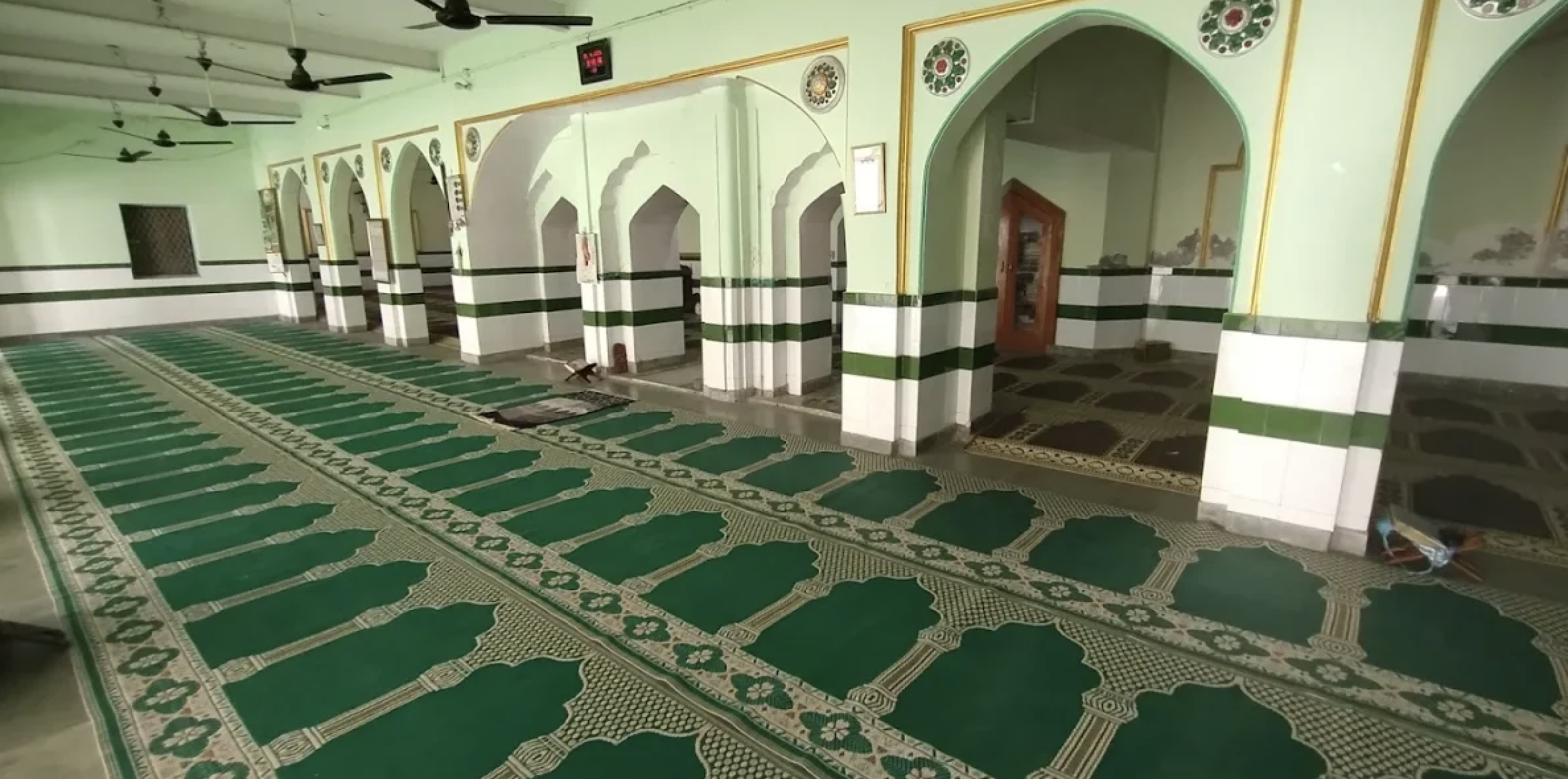
Srinagar: The Jammu and Kashmir Waqf Board’s proposal of common Friday sermons across shrines and mosques has sparked a fresh debate over the religious autonomy, political interference and the religious rights of Muslim community in the region.
According to the proposal, which has been largely criticised, the Waqf Board wants a “committee of Islamic scholars” to decide and pre-approve sermon topics for the preachers at Waqf-affiliated mosques.
The waqf board said the common sermon proposal aims “to push social harmony, moral values and awareness of issues such as drug abuse and women’s rights”. However, critics raised serious questions about who has the right to decide what is preached from mosque pulpits.
The board has proposed a committee of religious scholars that will finalise the topics. These topics would be communicated to the concerned preachers before the sermons, an official from the board said.
The directive was issued by Ishtiyaq Mohi-ud-Din, an executive magistrate associated with the Waqf Board, in a virtual meeting with religious leaders from across Jammu and Kashmir on Sunday, The Hindu reported. The Board’s plan covers mosques and Jama masjids under its control.
Senior Bharatiya Janata Party (BJP) leader and Waqf board Chairperson, Syed Darakhshan Andrabi, responded to the criticism by saying that the board’s officials will have no direct role in deciding the content. “I don’t take decisions on my own, we (Waqf board) have Imams and scholars associated with us who take religious decisions,” she told the media.
Andrabi also rejected the allegations concerning BJP or RSS’s role in the proposal, adding that there was no political or government interference in this decision. “People are coming in media with half truths. If our politicians want there to be no discussion on drugs, no discussion on social issues. Then let there be no discussion,” she said without naming anyone who criticised it.
Her assurance has not pacified the issue. Critics argue that even if scholars select the topics, the arrangement raises questions about how the committee will be constituted, how its decisions will be enforced and whether preachers will have the freedom to speak on local concerns.
This story was originally published in thewire.in. Read the full story here.