

By Yashraj Sharma and Mohammad Sartaj Alam
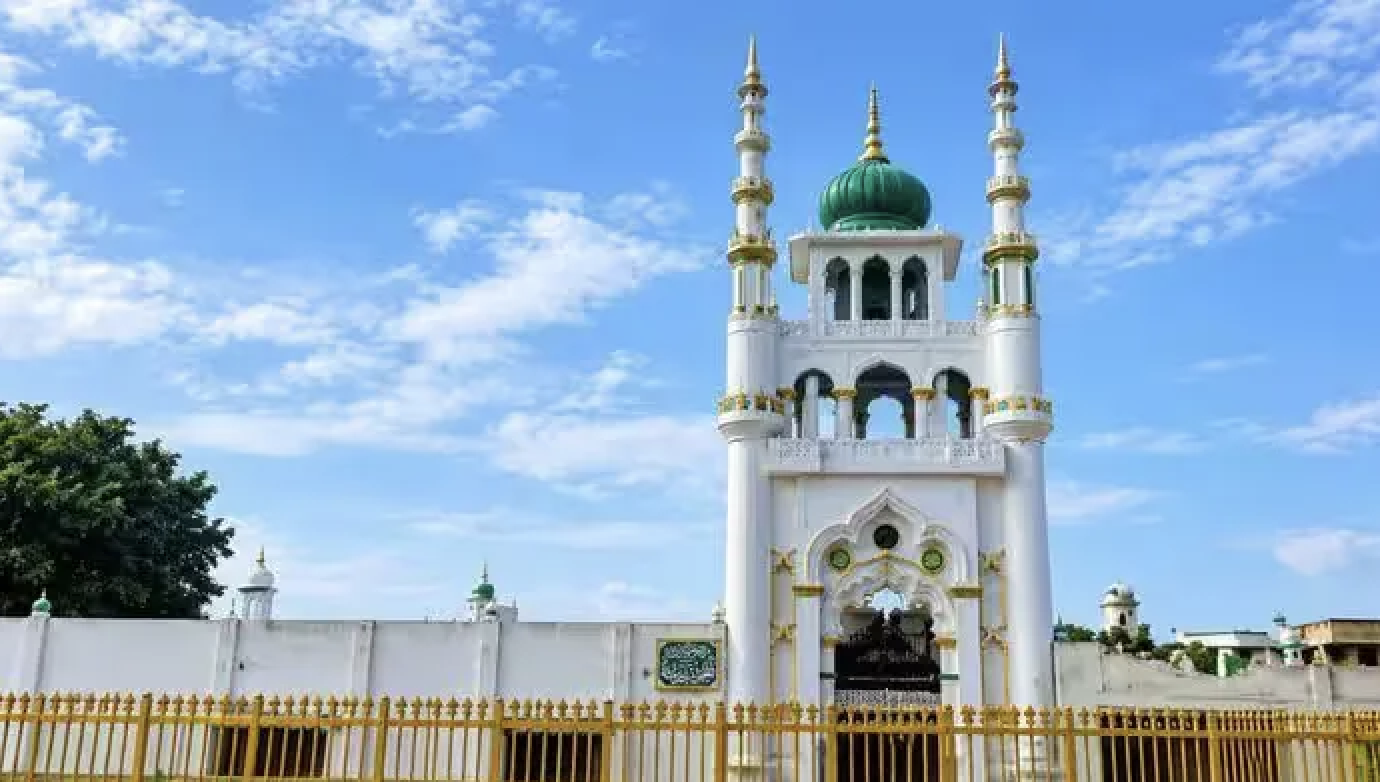
For decades, the Kamal Maula mosque in Dhar, in central India’s Madhya Pradesh state, has been like a second home for 78-year-old Mohammad Rafiq.
Rafiq has been the muezzin, who calls Muslims to prayer, at the mosque for 50 years. Before him, his grandfather Hafiz Naziruddin used to lead the prayers even before India gained independence from British colonial rule in 1947.
But the mosque in the Bhojshala complex, a protected monument of archaeological importance, is out of bounds now for Rafiq and other Muslims in Dhar.
The Madhya Pradesh High Court, hearing a petition claiming a temple predated the mosque at the site, ruled on Friday that the medieval complex is a temple dedicated to a Hindu goddess.
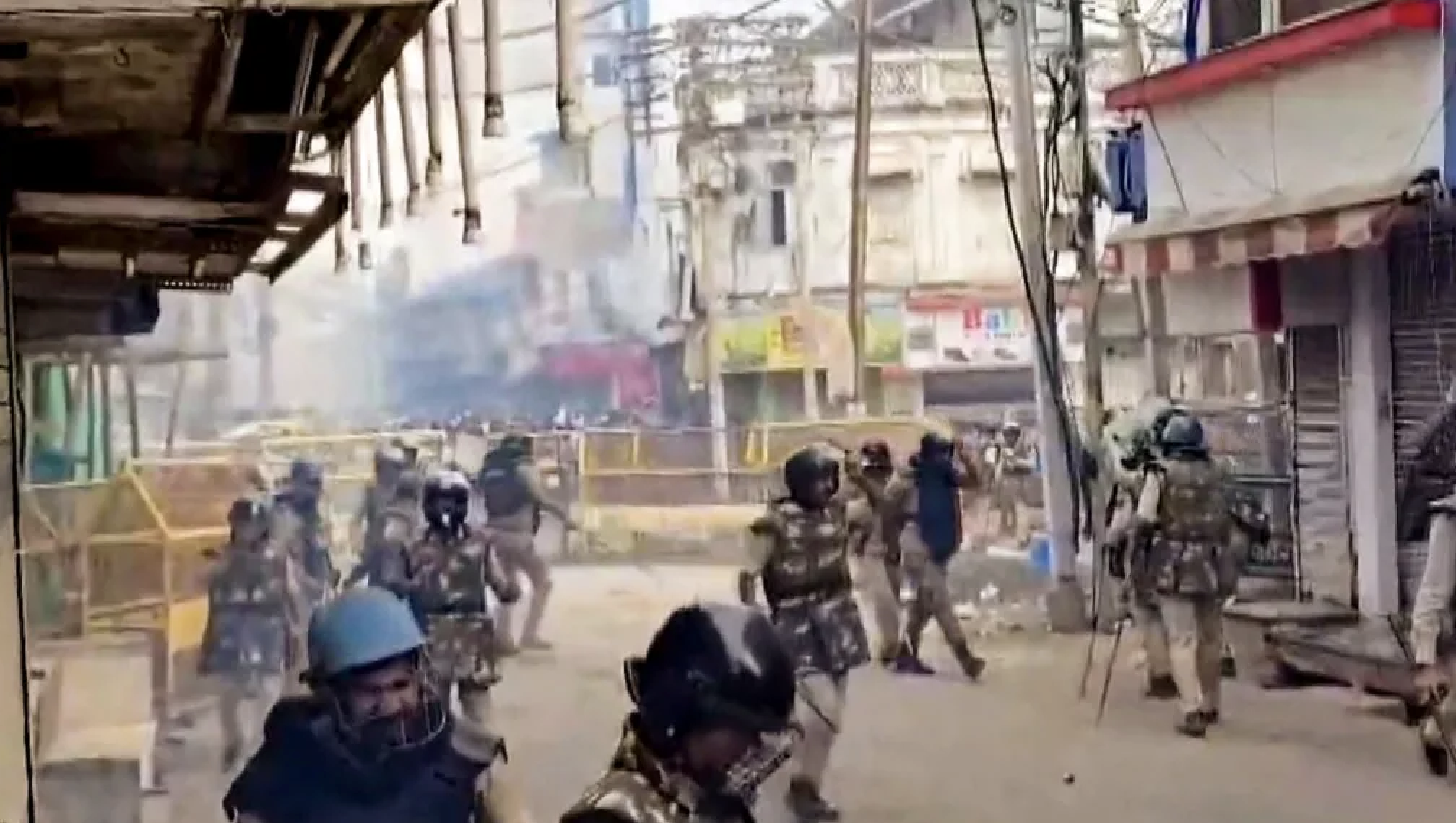
On Sunday, the 13th-14th century monument was awash in saffron flags — associated with “Hindutva”, the far-right Hindu supremacist movement — as young men danced to religious tunes, filming the rituals on their phones. Local activists installed a temporary idol of the goddess as Hindu worshippers gathered in large numbers amid heavy police deployment.
This story was originally published in aljazeera.com. Read the full story here.