
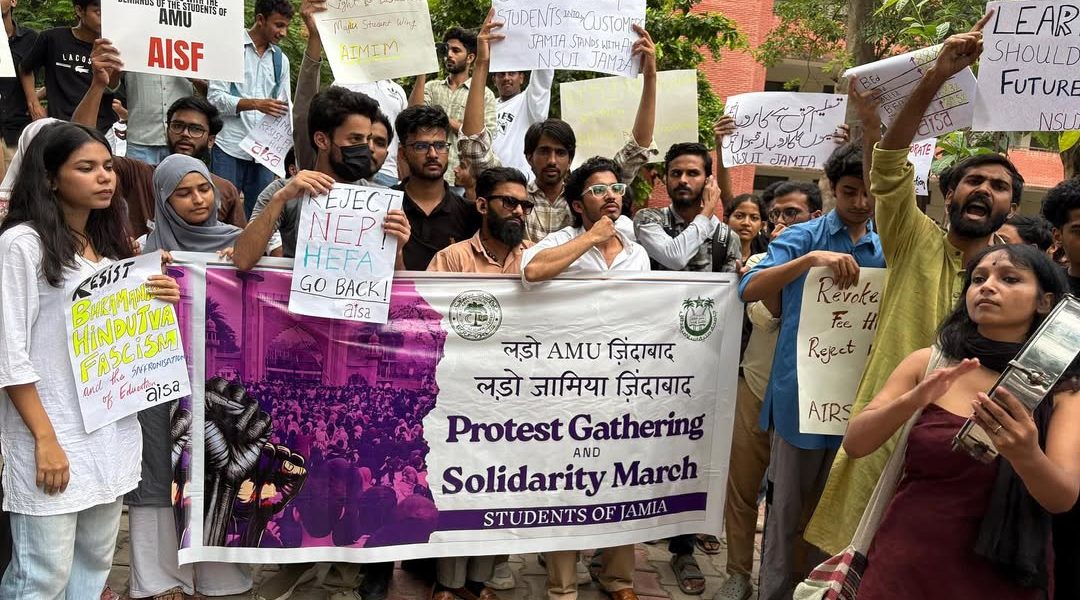
On 28 April, the Rashtriya Swayamsevak Sangh (RSS) organised “Yuva Kumbh”, an event to commemorate its 100th anniversary at Jamia Millia Islamia. During the event, the Vice-Chancellor (VC) reportedly remarked, “Our DNA has Mahadev’s DNA.” When located within the restructuring of higher education institutions under Prime Minister Narendra Modi’s government, the VC’s statement highlights a discernible pattern: universities increasingly being drawn into the monolithic Hindu-nationalism project of the right-wing regime.
Pulverisation of foundational values
Today, more than a century after its establishment, Jamia appears to be in the grip of homogenisation, institutional capture and anti-intellectualism.
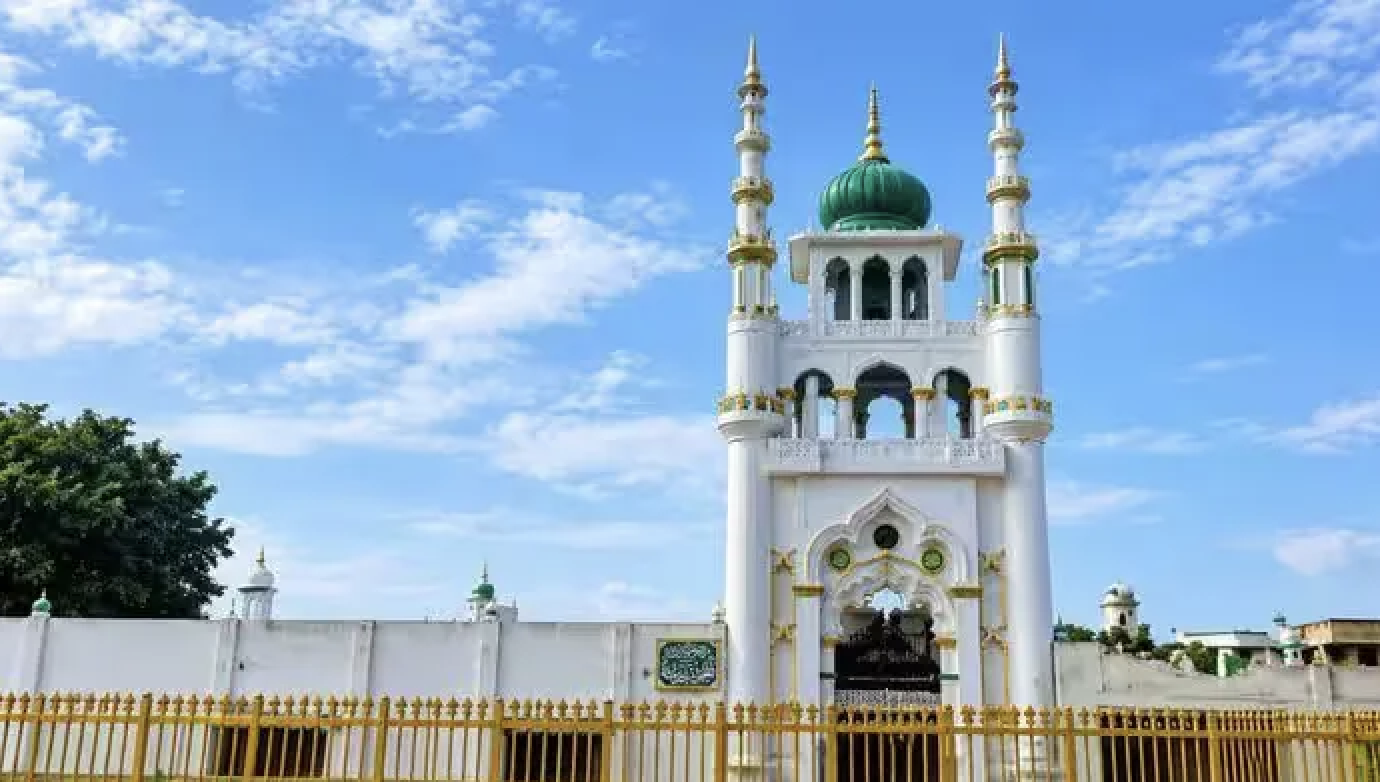
Founded during the anti-colonial struggle, Jamia embodied a deeply plural, emancipatory and nation-building ethos. Its foundations were laid by those who envisioned it as a site of intellectual freedom and resistance to domination, a legacy now imperilled by forces seeking to recast it into an ideologically compliant space.
Jamia’s founders, who according to Sarojini Naidu built Jamia “stone by stone and sacrifice by sacrifice,” would have been outraged by the ongoing administrative oppression. The character of the institution, like many other universities, is changing to reward conformity, penalise dissent and steadily subordinate autonomy to the imperatives of cultural nationalism.
From dissent to discipline: A pattern of institutional restriction
The April 28 event cannot, therefore, be viewed in isolation. One must take a longer look at the political developments over the past decade to understand the rot that has set in.
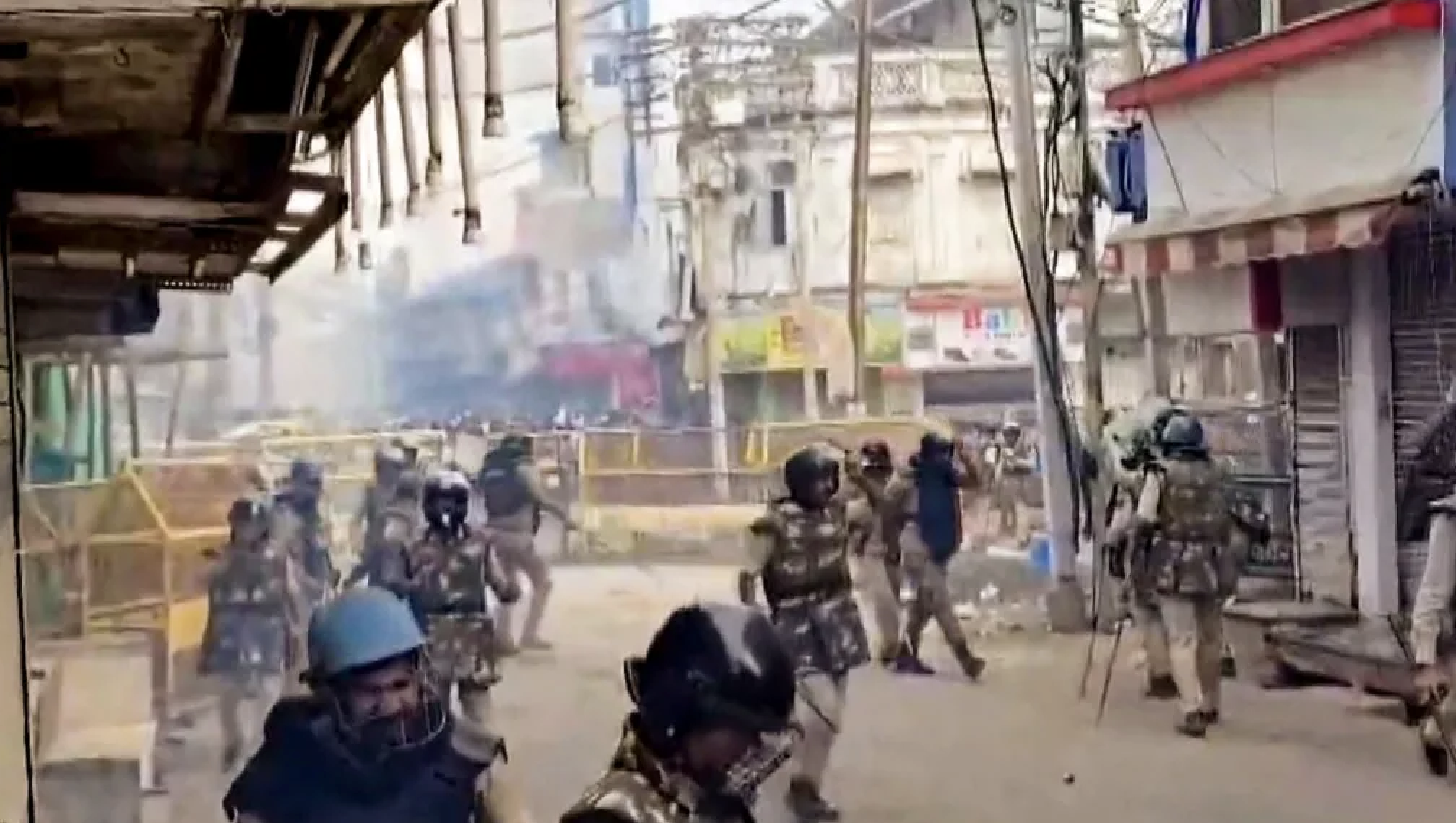
The approach adopted by the Jamia administration during the CAA-NRC protests in 2019 was particularly revealing of this changing tide. Instead of safeguarding the democratic rights of its students, it became complicit in the brutal suppression of protesters. Over time, this approach extended to almost every form of progressive or critical activity, from reading circles and student-led demonstrations to protests concerning social and political issues raised by students or faculty members.
This story was originally published in thewire.in. Read the full story here.