
By Ayesha Afnan
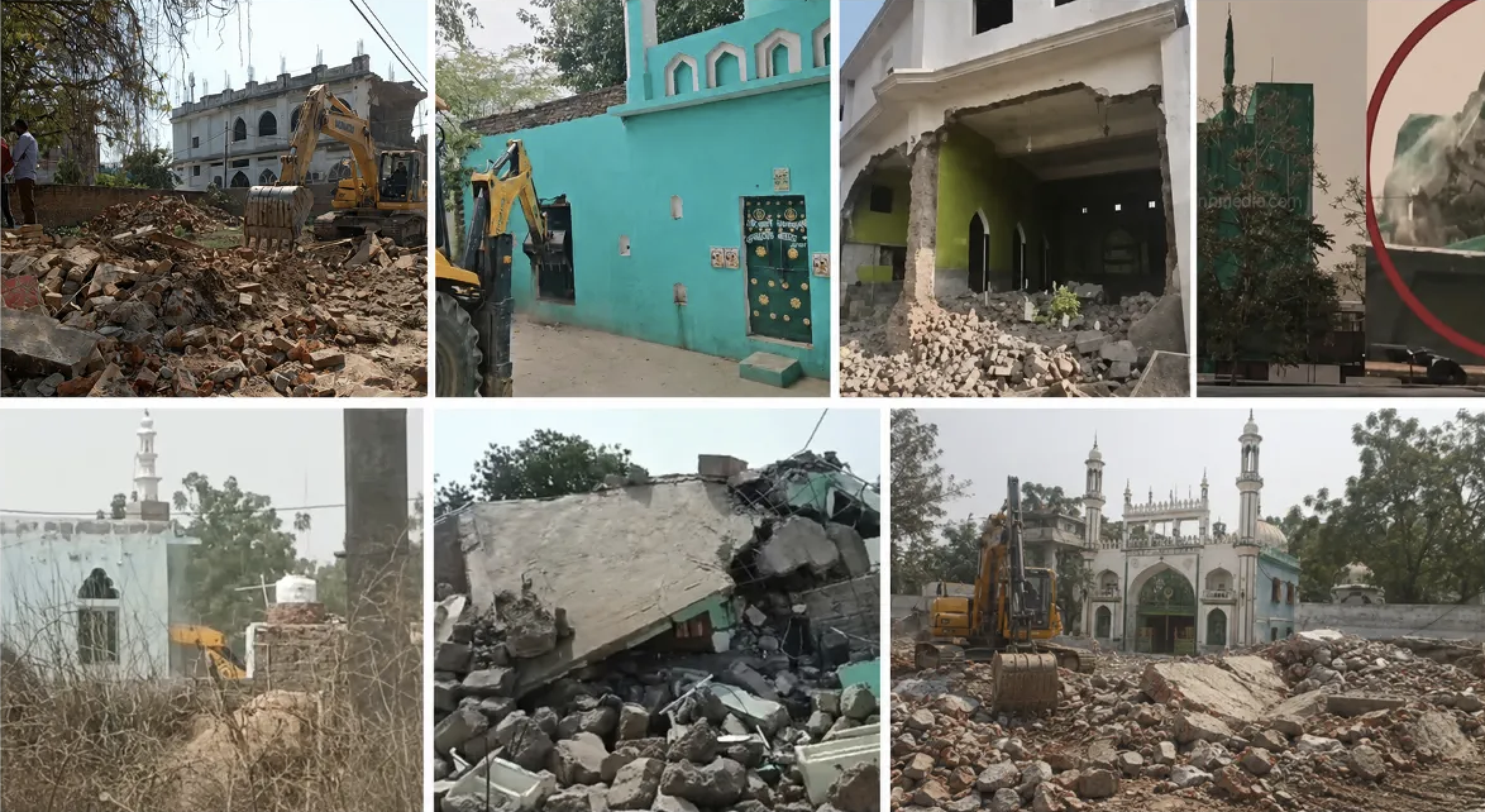
From a 1,000-year-old mosque to a 200-year-old Dargah, a wave of demolitions targeting Muslim religious sites has raised serious concerns across several BJP-ruled states in India.
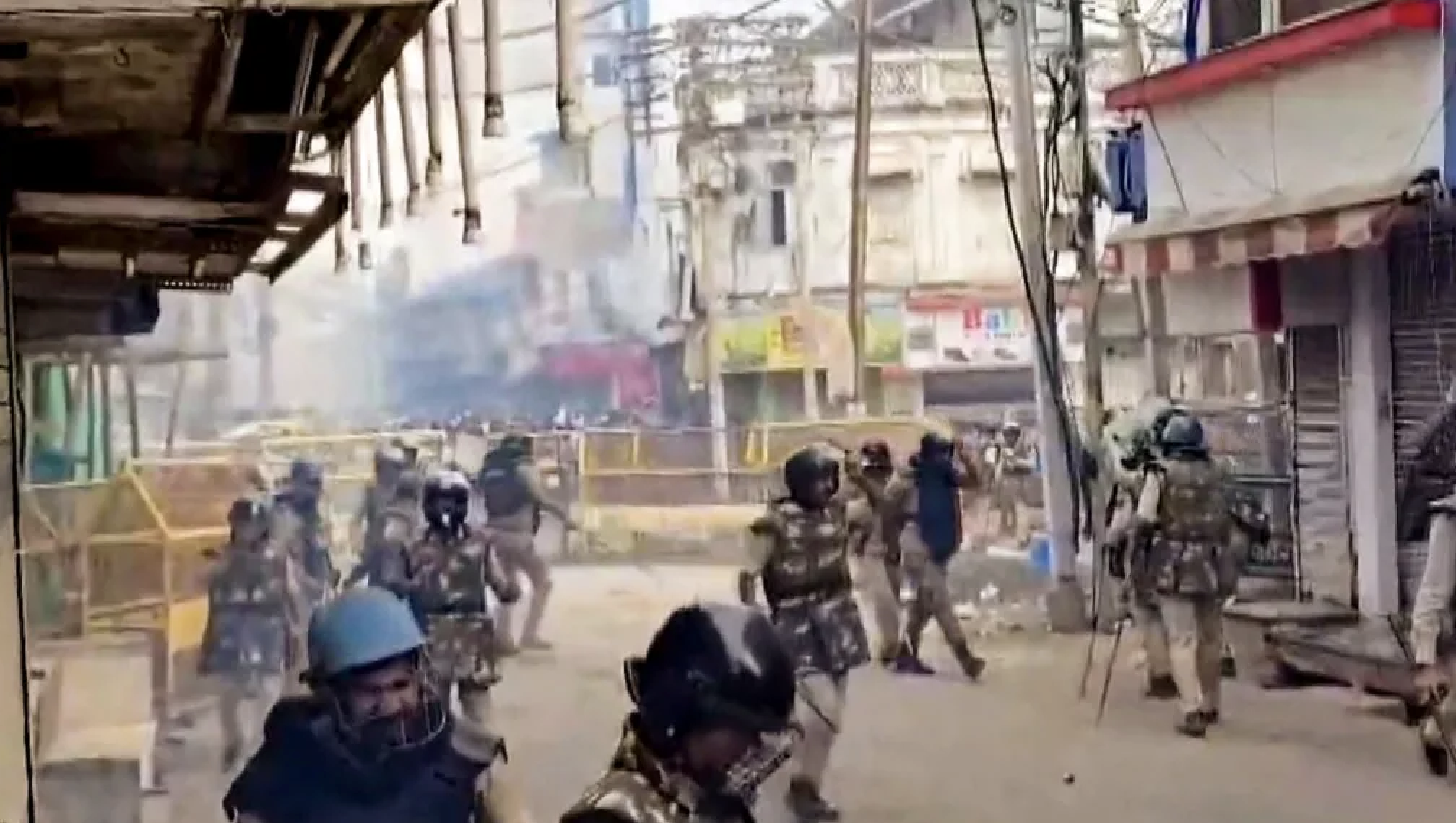
These demolition drives do not appear to be isolated incidents. Since May, at least 20 Muslim religious structures — including Mosques, Dargahs, Eidgahs, Madrasas — have been demolished across six states.
Such actions have been reported from multiple BJP-ruled states, including Delhi, Maharashtra, Uttar Pradesh, Gujarat, Rajasthan and Haryana. The pattern of demolitions has led to allegations that Muslim religious sites are being selectively targeted.
In all cases legal procedures were not followed. No prior notice was served before the demolition drives were carried out. While action was taken against Muslim religious structures, nearby Hindu religious structures allegedly built without authorization were left untouched.
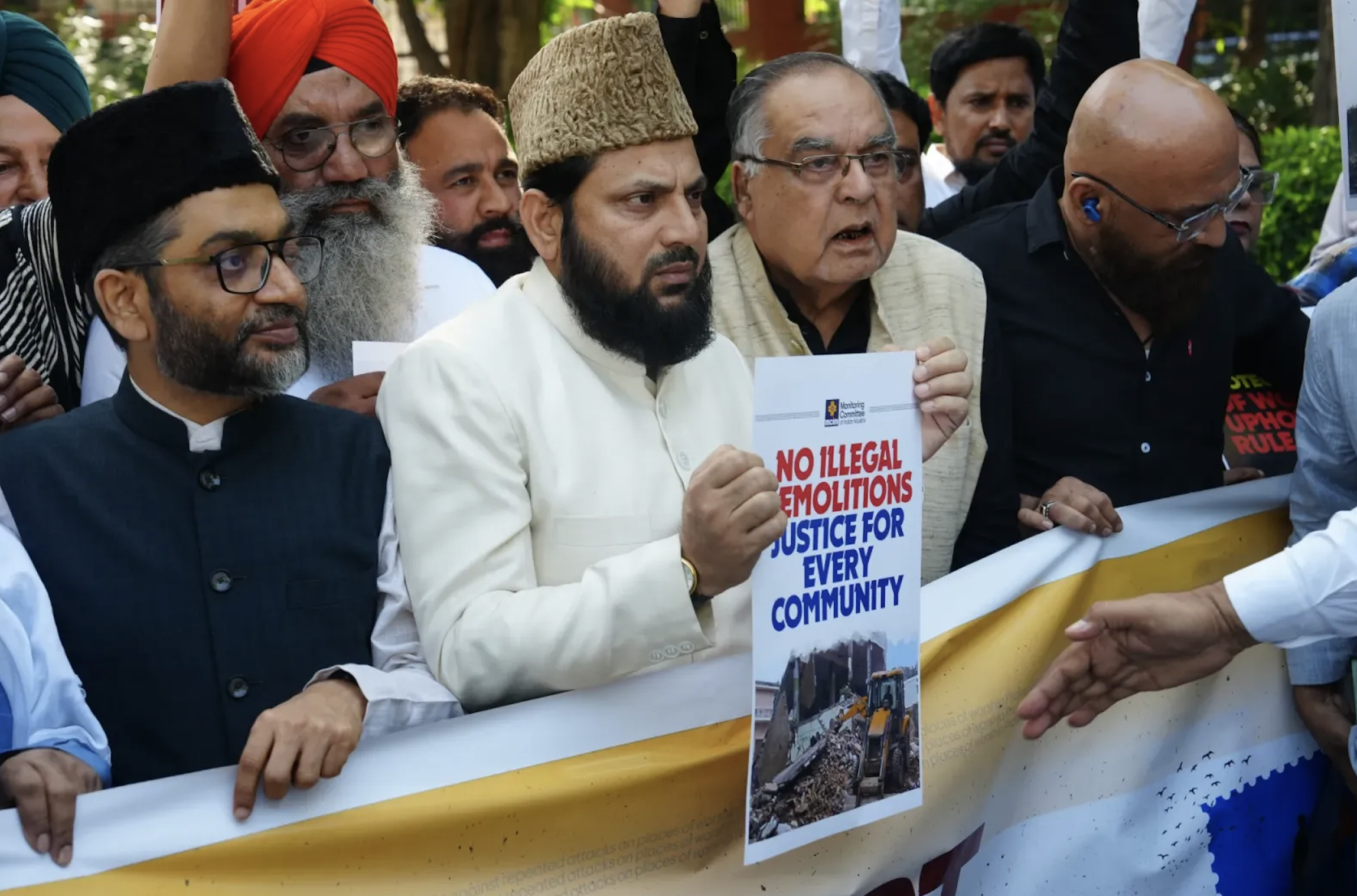
The growing number of demolitions has sparked debate over equal treatment under the law, the protection of religious heritage, and the need for authorities to ensure transparency and due process in all such actions, regardless of the community involved.
1-Mangolpuri Dargah (Dargah Panch Peeran), Delhi
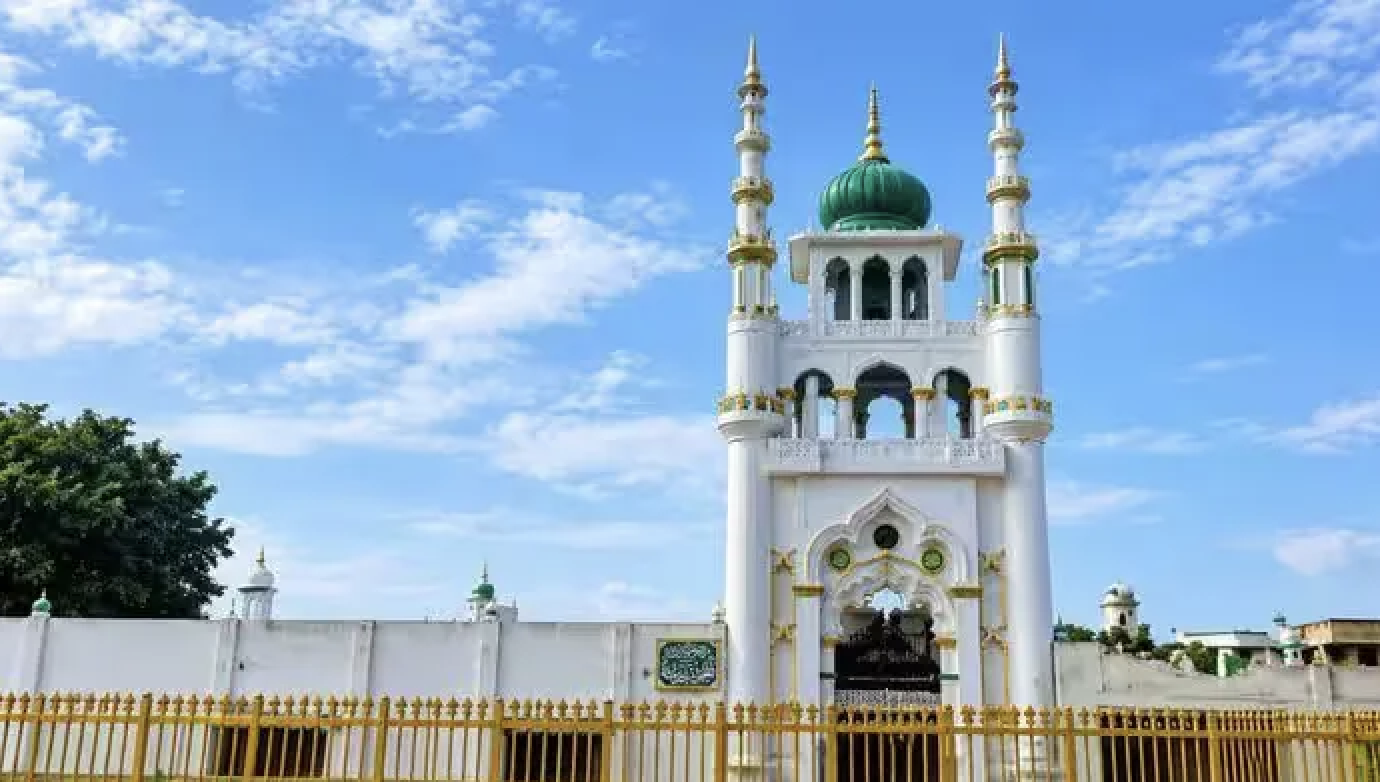
The demolition of the Mangolpuri Dargah, popularly known as Dargah Panch Peeran, on 6 May 2026 became one of the most debated incidents involving Muslim religious structures in India. Located in Delhi’s Mangolpuri Industrial Area Phase-II, the shrine was believed by local residents and caretakers to be 200-year-old and had served as an important spiritual centre for generations. In the early hours of the day, the Delhi Development Authority (DDA), accompanied by heavy police deployment, demolished a major portion of the Dargah. Authorities stated that the demolished section was an unauthorized encroachment on government land and that all legal formalities, including approval from the religious committee, had been completed. However, caretakers and lawyers representing the shrine contested the action, arguing that legal objections had already been filed and that the dargah possessed historical and religious significance. The incident triggered widespread discussion on heritage preservation, due process and the protection of religious sites in urban redevelopment projects.
This story was originally published in muslimmirror.com. Read the full story here.