
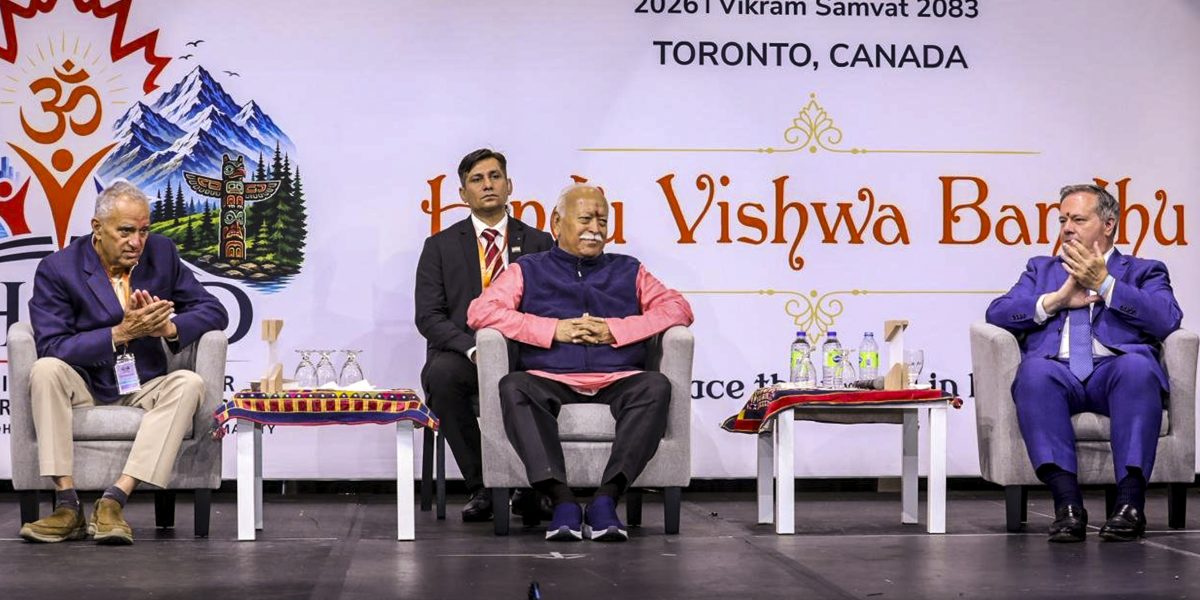
By Surbhi Gupta
Mohan Bhagwat is neither an elected politician nor does he hold any office in India, yet he wields power that exceeds both. As the chief of Rashtriya Swayamsevak Sangh (RSS), the fountainhead of Hindu nationalism, Bhagwat presides over an organization whose cadre populates the ruling Bharatiya Janata Party (BJP) leadership at every level. Prime Minister Narendra Modi himself rose through the RSS ranks before entering electoral politics. Beyond setting the tone for Indian politics as the BJP’s main ideological guide, the organization leads a massive overseas network, building a global Hindu diaspora in its image.
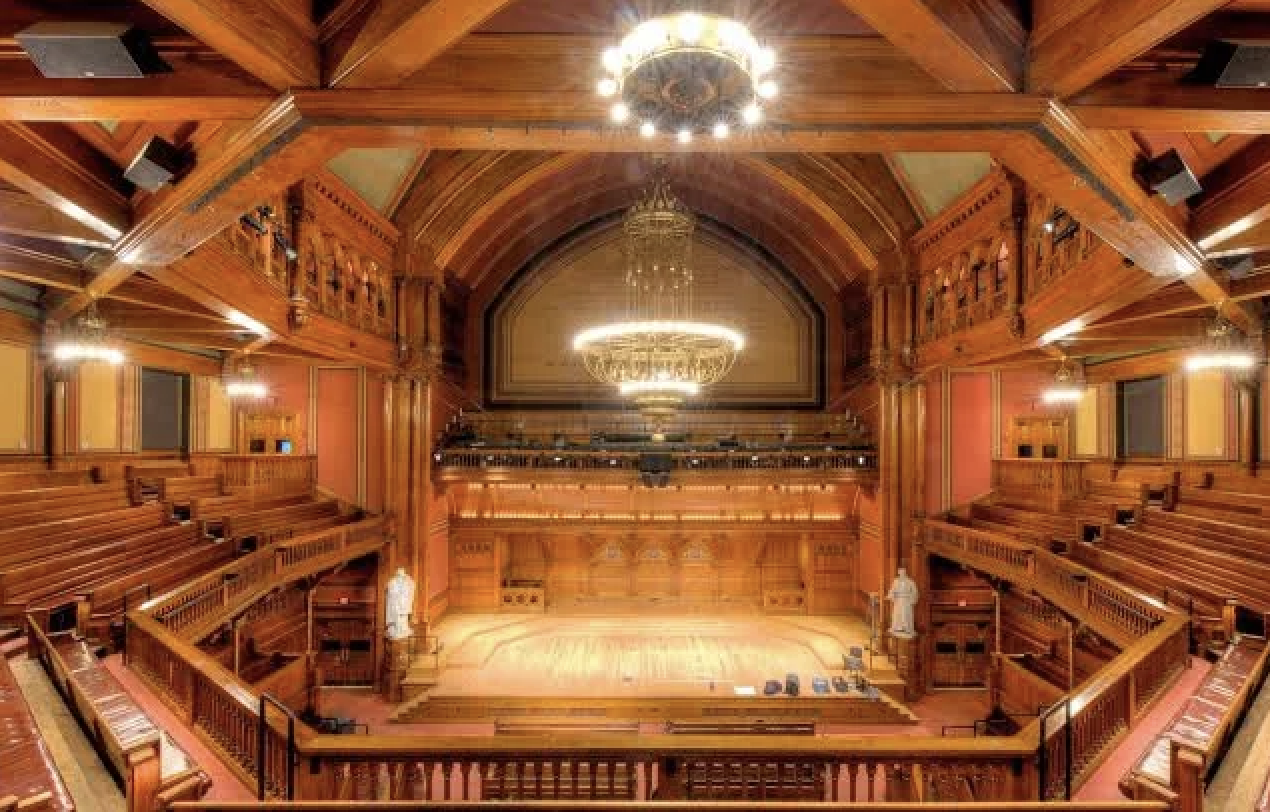
This week, as Bhagwat embarks on an overseas trip covering the United Kingdom, the United States and Canada, the centerpiece of his travels will be a gathering of over 5,000 people at New York’s Madison Square Garden. Modi received a rock star welcome there from nearly 20,000 Indian Americans in 2014, effectively reorganizing the political relationship between India and its diaspora.
Bhagwat’s visit has prompted diaspora groups to mobilize both in support of his visit and against it. In New York, progressive South Asian and Hindu organizations are pressuring Zohran Mamdani, the city’s first Indian-American mayor, to take a public stance. Savera, a South Asian platform, released a report documenting the opaque inner workings of RSS networks in the U.S. Over 1,000 people from across the U.S. have written to Secretary of State Marco Rubio urging him to deny or revoke the visa issued to Bhagwat.
This trip, however, comes at a difficult moment for conservative Hindu-American groups in the U.S. For many years, they have worked to build political power modeled on the American Israel Public Affairs Committee, by building political action committees (PACs), tapping a wealthy donor base, endorsing candidates across the board and deploying “Hinduphobia” as a rights-based shield against criticism. They gained traction as Hindu-American politicians rose within both parties.
But that approach has recently hit a ceiling.
Raja Krishnamoorthi and Shri Thanedar, both Democrats and members of the Samosa Caucus who courted Hindu nationalist-aligned support, lost their primaries this cycle. Thanedar, notably, had been the first member of Congress to introduce a resolution condemning “Hinduphobia.” In California’s 14th district, an important hub for the Indian-American community, Rakhi Israni, a former board member of the Hindu American PAC, finished a distant third in the June primary, well behind state senator Aisha Wahab.
This story was originally published in newlinesmag.com. Read the full story here.