
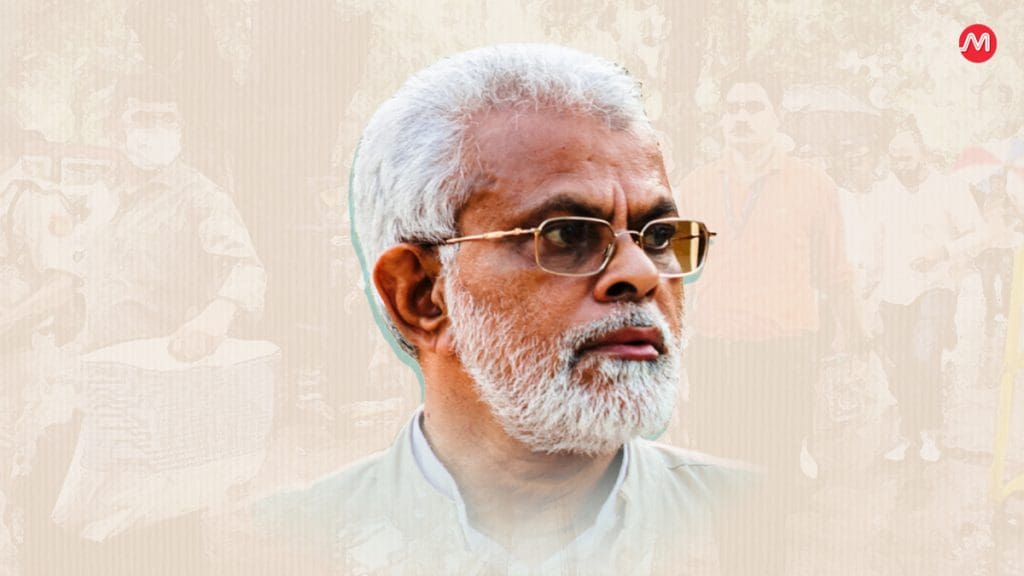
By Syed Mueen & Rushda Fathima Khan
Before the arrest, there was a room built for a body. In Koduvally, a town in Kerala’s Kozhikode district, E. Abubacker’s family had constructed a study as an extension of their home, fitted with two special recliners, each calibrated to hold him at precisely 35 degrees. After surgery for oesophagopharyngeal carcinoma in 2019, during which eighty per cent of his stomach was removed, this angle became the architecture of his survival. Anything flatter, and the partially digested food would return.
On September 22, 2022, at three in the morning, officers from the National Investigation Agency arrived at that home. Abubacker was running a fever. His wife helped him rise from bed, helped him walk, and helped him dress. His hands shook from Parkinson’s disease, he could not draw his own insulin, could not button his own shirt. His son, Amal Thahseen, showed the officers his father’s medical records, explained the medications, their dosages, their precise timing. “Even missing a single tablet like Syndopa will make him very weak,” Amal would later recall. The officers told the family to hand over the documents and medicines. “They said that they will take care.”
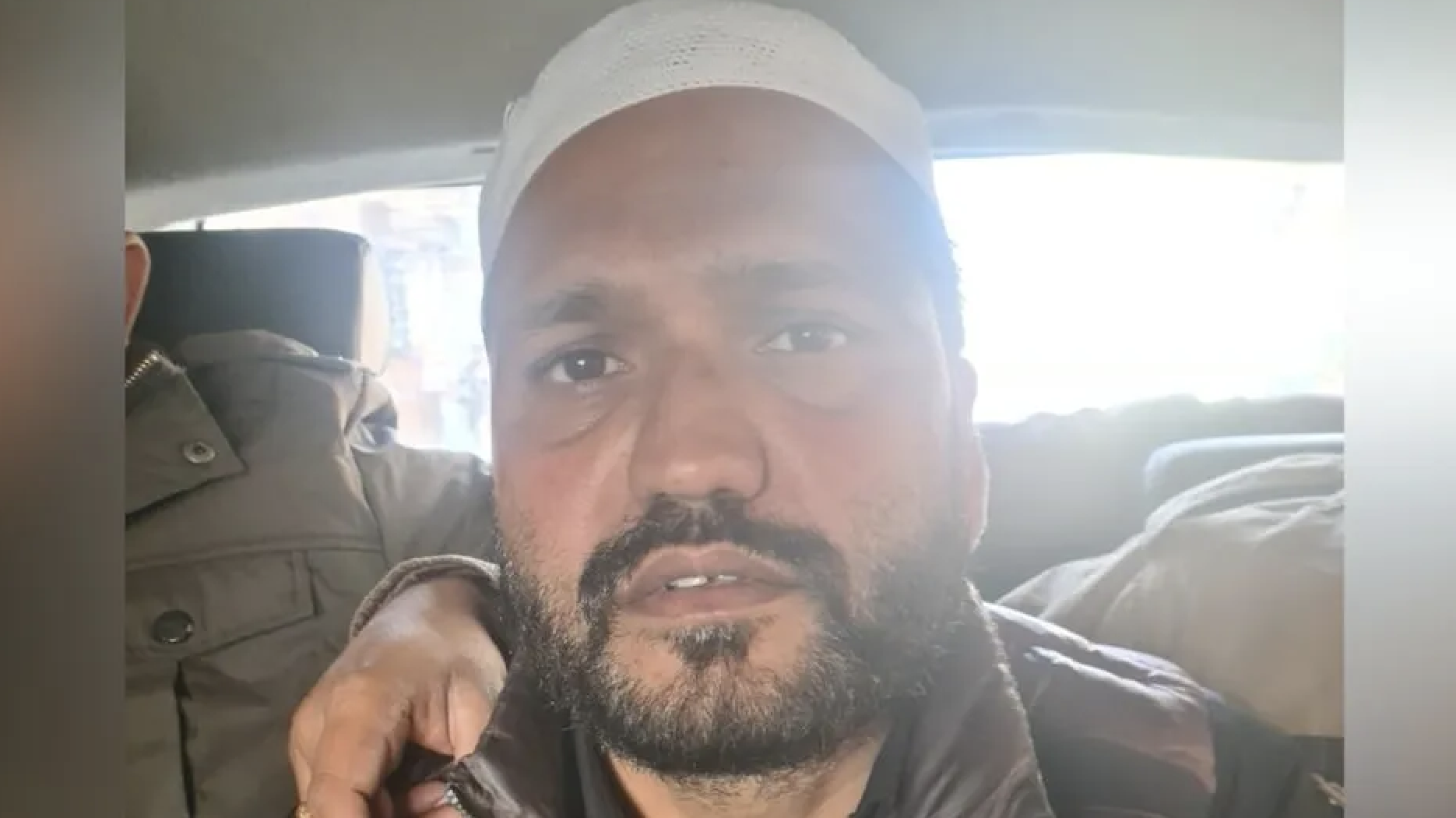
Abubacker, a retired schoolteacher, founding chairman of the now-banned Popular Front of India, a man who had spent three decades in political life without a single criminal case, was taken to Delhi. He has not returned.
Rights groups warn that his continued incarceration in this critical condition risks the same fate as Father Stan Swamy and Pandu Narote — death in custody, while unconvicted and still waiting for trial. “Another political prisoner,” they say, “may be murdered through custodial neglect.”
A body that does not defer
His body, meanwhile, does not defer. The list of conditions reads like a medical textbook: Diabetes Mellitus with Retinopathy. Hypertension. Idiopathic Parkinson’s Disease. Coronary Artery Disease. Post-operative oesophagopharyngeal carcinoma. Benign Prostatic Hyperplasia. A medical report from AIIMS, based on a January 2025 outpatient consultation, documents the same comorbidities and notes a prior admission under the Department of Geriatric Medicine in November 2024. A separate assessment dated May 2026 by a Senior Consultant Neurologist at Indraprastha Apollo Hospitals, states that Abubacker “is in a relatively later stage of the disease” and “needs support to stand and walk due to tendency for falls,” as well as “help with activities of daily living like toilet needs, bathing, dressing and taking his medicines.”
Before arrest, these conditions were managed by his family through a precise regime of medications, diet, and constant physical assistance. In custody, they have become a series of bureaucratic negotiations.
Earlier this year, when Abubacker was admitted to Deen Dayal Upadhyay Hospital in Delhi with a chest infection, dangerously fluctuating blood pressure, and plummeting blood sugar, the admission itself took three days. The Delhi police officers responsible for escorting him kept returning him to jail, telling authorities “he is ok.” Each time, the jail medical officer sent him back. “This happened many times and lasted for three days,” Amal says.
He was discharged from DDU after four days without improvement. The hospital said they planned to shift him to a facility with better treatment. Instead, he was shifted back to jail. That same day, the family had obtained a court order instructing the hospital to follow his prescribed diet plan, an order that arrived at an empty bed.
This story was originally published in maktoobmedia.com. Read the full story here.